

Top wine regions in France: which destination to choose?
Summary
- ●1. Bordeaux, Burgundy, and Champagne: The Icons
- ➜Bordeaux and Burgundy: The Duel of Classics
- ➜Champagne: Effervescence and Luxury
- ●2. The Rhône Valley: Gateway to Mediterranean Flavors
- ●3. Languedoc: The Wine Revolution of Southern France
- ➜A Mosaic of Terroirs and Landscapes Without Equal
- ➜Montpellier, a Vibrant and Historic Capital
- ➜The Epicenter of Organic and Natural Wine
- ➜Authenticity Rediscovered: Meeting the Winemaker
- ●4. How to Experience an Exceptional Wine Tour?
- ●FAQ: Wine Regions of France Guide
Summary
- ●1. Bordeaux, Burgundy, and Champagne: Icons of Tradition
- ➜Bordeaux vs. Burgundy: The Duel of Classics
- ➜Champagne: Effervescence and Luxury
- ●2. Rhone Valley: The Gateway to the South
- ●3. Languedoc: The Southern Wine Revolution
- ➜An Unrivaled Mosaic of Terroirs and Landscapes
- ➜Montpellier: A Historic and Vibrant Capital
- ➜The Epicenter of Organic and Natural Wine
- ➜Authenticity Rediscovered: Meet the Winemaker
- ●4. How to Experience an Exceptional Wine Tour?
- ●FAQ: All About French Vineyards
France is a unique mosaic of terroirs, where every bottle tells a story of the land and its people. But with so many vineyards to explore, which wine destination should you choose for a truly memorable experience?
While the prestigious names of Bordeaux or Burgundy are legendary, many travelers today are looking to step off the traditional tourist paths. They crave more proximity, freedom, and above all, authenticity.
In this guide to the top wine regions of France, we’ll take you through the vineyard icons, but more importantly, we’ll reveal why the South—and specifically the Montpellier region—has become the preferred destination for insiders seeking wild gems and sincere encounters. Welcome to the "last frontier" of French wine.
1. Bordeaux, Burgundy, and Champagne: The Icons of French Tradition
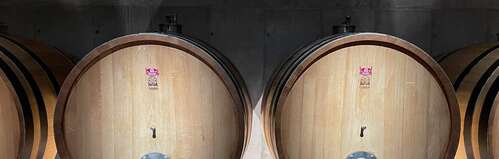
When mentioning French wine regions abroad, three names immediately stand out as legends. These vineyards have built the global reputation of French wine, each with its own distinct character.
Bordeaux and Burgundy: The Duel of Classics
The Bordeaux vineyard is arguably the most famous. It is the land of grand châteaux and historic classifications. Travelers come here for the elegance of Cabernet Sauvignon and the majestic architecture of estates in Medoc or Saint-Émilion. It is a very structured experience, ideal for those who love prestige and the history of Grand Crus.
In contrast, Burgundy focuses on finesse and complexity. Here, you won't find massive castles, but "climats": small vineyard plots delimited for centuries. It is the kingdom of Pinot Noir and Chardonnay, where each row of vines can produce a radically different wine from its neighbor. It is a fascinating region for purists, although wine prices and accessibility have become a real challenge for enthusiasts.
Champagne: Effervescence and Luxury
Further north, Champagne represents the French exception. It is a unique destination to discover the "méthode champenoise" and explore miles of underground chalk cellars. It is the perfect choice for a festive, high-end getaway.
The flip side of the coin: While these regions are essential stops, they are also victims of their own success. Wine tourism there has become quite industrial, tours are often meticulously timed, and direct contact with the winemaker is rare. For many travelers, these circuits lack the spontaneity and authenticity one seeks during a true immersion.
2. The Rhône Valley: The Gateway to Mediterranean Flavors
As you leave the cooler climates of the North and head South, the landscape begins to transform. The Rhône Valley marks this spectacular transition where the sun starts to dictate the pace and the cicadas make their first appearance. It is here that the vineyards take on their Mediterranean soul.
This region is famous for its powerful, generous, and spicy wines. It is the promised land of Syrah in the North and Grenache in the South—grape varieties that you will also find in our Montpellier terroirs. Prestigious appellations like Châteauneuf-du-Pape or Hermitage attract lovers of deep reds and aromatic whites.
But beyond the world-renowned crus, the Rhône Valley serves as the perfect bridge to a wilder exploration. It opens the way to the West, where the Rhône River meets the Mediterranean Sea. At this geographical crossroads, you leave the well-trodden paths to enter a zone of total winemaking freedom: the Languedoc. While the Rhône paved the way, Montpellier and its surroundings are the most vibrant and unexpected destination.
3. Languedoc: The Wine Revolution of Southern France
If you are looking for the place where French wine is reinventing itself with the most audacity, this is it. The Languedoc vineyard, long overshadowed by its neighbors, is now the stage for an unprecedented qualitative revolution, driven by a new generation of passionate winemakers.
A Mosaic of Terroirs and Landscapes Without Equal
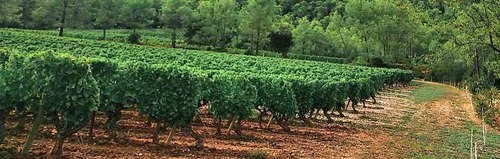
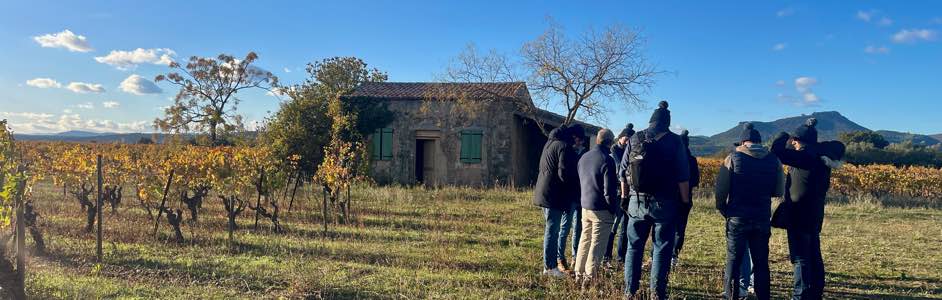
What makes the Montpellier region unique in the world is its geological diversity, which carves out breathtaking panoramas. In just a few miles, your gaze travels: from the towering white limestone cliffs of Pic Saint-Loup to the wild canyons and red volcanic soils of the Terrasses du Larzac. It is a constant spectacle where the green of the vines contrasts with the ochre of the earth and the deep azure of the Mediterranean sky. These landscapes are inseparable from the garrigue and its aromatic plants, whose fragrant essences subtly influence the aromas of our local wines.
This richness of landscapes gives birth to an incredible diversity of wines. Here, every hillside tells a different story in your glass. The terroir expresses itself in every nuance: deep, spicy reds from the arid plateaus, whites with surprising saline freshness from the coast, elegant rosés, not to mention the famous sun-drenched natural sweet wines (vins doux naturels) or sparkling wines steeped in history. Choosing Montpellier means treating yourself to a complete sensory and visual journey in a single destination.
Montpellier, a Vibrant and Historic Capital
At the center of this excitement, Montpellier is not just a beautiful city; it is a true wine capital with an inheritance dating back to Antiquity. As early as the Roman era, the port of Lattes served as a hub to export local wines across the entire Empire. This millennial expertise has never wavered.
Did you know that the "traditional method" was actually invented here? Long before Champagne became its global icon, the monks of Saint-Hilaire Abbey near Limoux were already producing the world’s first sparkling wine as early as 1531. Today, Montpellier remains a global research center: it is here that the grape varieties and viticulture tools of tomorrow are developed before being exported to all other French wine regions and beyond.
Home to Europe’s oldest medical faculty, the city bridges science, tradition, and innovation. It is the perfect starting point to explore estates where the welcome remains sincere and human, far from the standardized tourist circuits.
✅ Small group, local guide and departure from Montpellier included
The Epicenter of Organic and Natural Wine
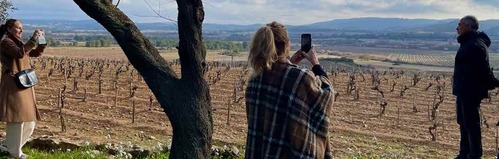
Languedoc is now the world’s leading region for organic wine. Here, respecting biodiversity is not a marketing pitch; it is a deeply rooted culture. Winemakers prioritize gentle methods: using plant-based preparations to care for the vines, respectful soil tillage to encourage microbial life, and the total absence of synthetic pesticides.
This approach helps preserve a fragile ecosystem where vineyards coexist with the wild scrubland. By limiting human intervention, the estates become true sanctuaries for local flora and fauna. In fact, it is not uncommon, while wandering through a plot, to catch a glimpse of the wildlife that inhabits our vineyards, from the ocellated lizard to majestic birds of prey soaring over the hills. Exploring these preserved lands, you will discover wines that are the purest and most vibrant expression of their terroir.
Authenticity Rediscovered: Meeting the Person Behind the Bottle
Beyond the landscapes and geology, the strength of Languedoc lies in its human touch. Unlike the sometimes intimidating large estates of other regions, the Montpellier vineyard is mostly made up of small family-run farms. Here, luxury isn't found in the marble of the cellars, but in the sincerity of the encounter.
In these human-sized estates, winemakers are accessible and passionate. It is not uncommon for the owner themselves to open the doors for you and share their love for the land. This rare proximity allows you to understand the hard work and passion behind every vintage. Choosing this destination means prioritizing real connections and supporting vibrant local craftsmanship, far from standardized tourist circuits.
✅ Charming stay, wine tastings and private romantic moments
4. How to Experience an Exceptional Wine Tour in Montpellier?

With such a vast diversity, it can be difficult to know where to start. Languedoc’s most authentic gems are often hidden at the end of dirt roads, in family estates that don’t always appear in traditional travel guides. This is where Wisud’s expertise comes into play.
To experience a true off-the-beaten-path immersion, we have designed experiences that go far beyond a simple tasting. Whether you are a curious beginner or a seasoned connoisseur, our Montpellier Wine Tours open the doors to estates selected for their authenticity and the genuine warmth of their welcome.
By choosing to explore the vineyards with us, you benefit from:
- Privileged access to passionate winemakers and confidential cellars.
- Discovery of secret panoramas between the sea, scrubland, and mountains.
- Comfortable transport so you can enjoy your tastings with peace of mind.
- Expert guidance to understand the history and secrets of our terroirs.
Don’t just visit a wine region—experience it from the inside. Between Roman tradition, sustainable innovation, and sincere encounters, the South is waiting for you for an unforgettable sensory adventure.
✅ Expert guidance and 100% personalized itinerary
FAQ: Wine Regions of France Guide
Which is the largest wine region in France?
Languedoc-Roussillon is the largest wine-producing region in France, known for its vast diversity of landscapes and grape varieties.
What is the difference between AOP and IGP wines?
AOP (Appellation d'Origine Protégée) follows strict local rules, while IGP (Indication Géographique Protégée) gives winemakers more freedom in their winemaking process.
Can I book a wine tour near Montpellier?
Absolutely! Wisud specializes in small-group wine tours departing from Montpellier to explore the famous Languedoc vineyards.
When is the best time for wine tasting in France?
While cellars are open year-round, spring and the harvest season (September/October) are the most beautiful times to visit the vineyards.
How many wine regions are there in France?
France has 11 main wine regions, including Bordeaux, Burgundy, Rhone Valley, and the sun-drenched Languedoc.


